


Venezuela's National Assembly President Jorge Rodríguez announced Friday that prisoners eligible for clemency under a pending amnesty law could begin walking free as early as next Tuesday, February 11, with the full release process potentially concluded by February 14. In a video posted to his Telegram account, Rodríguez stated the law would receive its final legislative approval on Tuesday, with releases commencing immediately afterward. The announcement marks a significant acceleration of the interim government's signature political initiative, less than a month after Delcy Rodríguez assumed the presidency following Nicolás Maduro's seizure by US authorities.
The compressed timeline raises a fundamental question about Venezuela's post-Maduro transition: is this a genuine structural break from two decades of authoritarian governance, or a calculated performance designed to secure international recognition and sanctions relief while preserving the underlying architecture of political control? The answer will likely determine whether Venezuela moves toward meaningful reconciliation or what critics are already calling "Chavismo 3.0"—a rebranding that maintains repressive capacity under new leadership.
The geopolitical pressure behind the promise
The timing of Rodríguez's announcement cannot be separated from Venezuela's acute need for international legitimacy. The interim government faces enormous pressure to demonstrate a clean break from Maduro-era practices, particularly to the United States, which holds the key to sanctions relief and Venezuela's ability to access billions in frozen oil revenues. The amnesty law represents the most visible tool available to the Rodríguez administration to signal change without dismantling the institutional foundations of Chavista power.
The government's narrative emphasizes healing and national reconciliation. The law's unanimous first-round approval in the National Assembly and promises to release hundreds of political prisoners, facilitate the return of exiles, and restore confiscated assets project a vision of Venezuela turning a page. For families who have spent years visiting loved ones in facilities like El Helicoide, the announcement represents tangible hope. The symbolic closure of that notorious intelligence headquarters-turned-prison adds emotional weight to claims of transformation.
Yet the speed itself warrants scrutiny. Political processes of this magnitude—ones that ostensibly redefine the boundaries between state authority and political opposition—rarely unfold in one week unless driven by urgent external pressures rather than internal institutional reform.
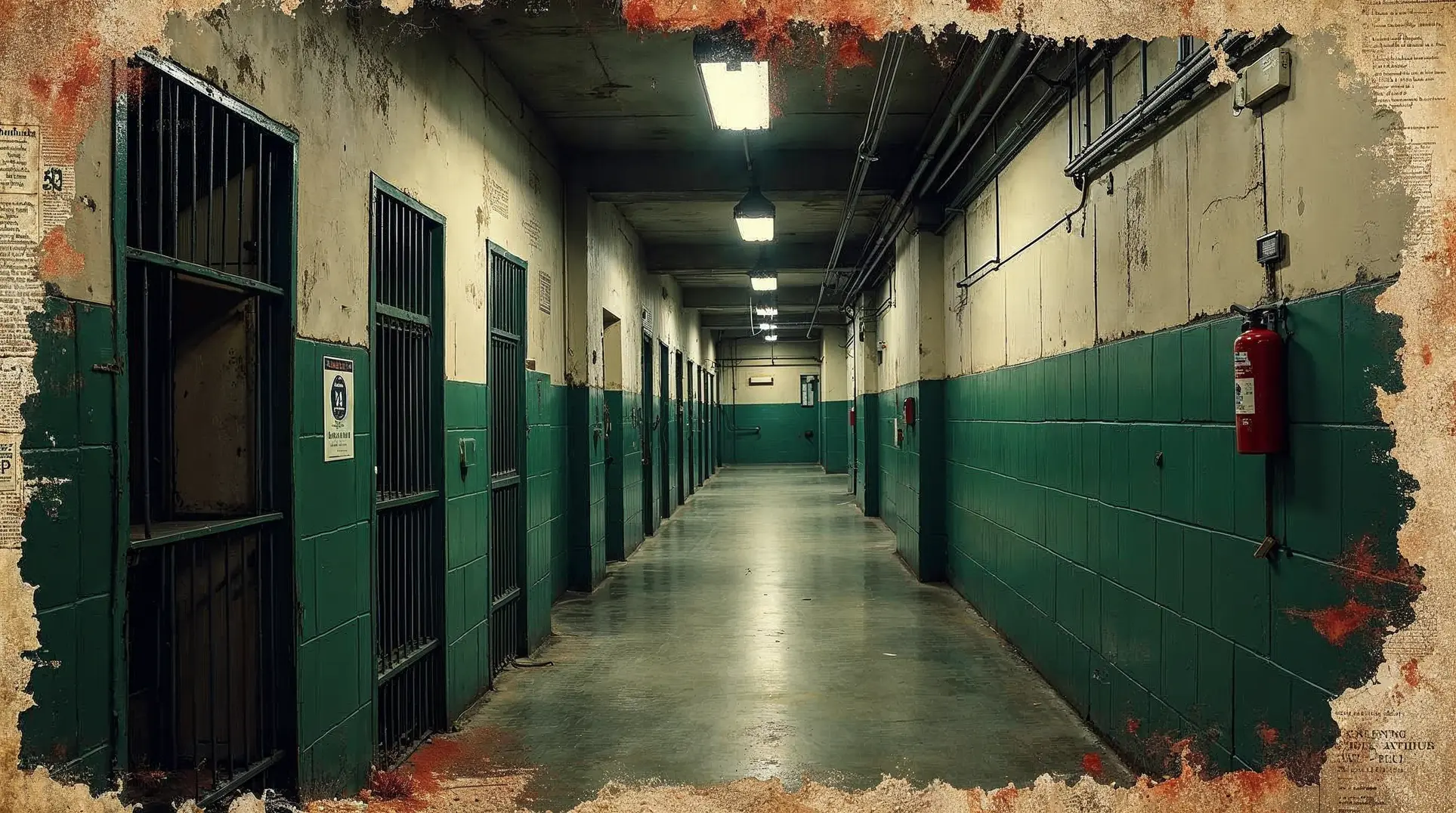
Members are reading: How institutional continuity from the Maduro era threatens to transform amnesty into selective political theatre.
Reconciliation or rebranding?
The Venezuelan state's coercive apparatus—its intelligence networks, its security forces, its parallel justice system—was built over two decades to protect Chavista power. Dismantling that architecture requires more than legislative declarations; it demands structural transformation that directly threatens those who continue to hold positions within it. The interim government faces a choice between genuine institutional reform that risks destabilizing its own support base, or managed political theatre that satisfies international observers while maintaining operational control over dissent.
The closure of El Helicoide functions as powerful symbolism, but symbolism divorced from accountability can become a tool of legitimation rather than change. The question is whether the system that filled El Helicoide with political prisoners has itself been dismantled, or merely rehoused. The one-week timeline for implementing an amnesty that took decades to necessitate suggests the latter may be more likely than the former.
Subscribe to our free newsletter to unlock direct links to all sources used in this article.
We believe you deserve to verify everything we write. That's why we meticulously document every source.


