


The United Nations Human Rights Council will convene an urgent debate on Friday, March 27, 2026, to address the February 28 airstrike on Shajareh Tayyebeh School in Minab, Iran, which killed at least 165 people, predominantly children. The session was formally requested by Iran, China, and Cuba and will focus on "protection of children and educational institutions in international armed conflicts."
The strike occurred on the first day of joint US-Israeli military operations against Iran, amid what has since become a month-long regional war. UN High Commissioner for Human Rights Volker Türk has called for a prompt, impartial, and thorough investigation into an incident that raises fundamental questions about civilian protection and targeting protocols in modern military operations.
Casualty figures and weapon identification
Iranian officials report that 168 children, primarily girls, were killed in the strike. A US military investigation suggests a Tomahawk cruise missile struck the school due to a targeting error, possibly relying on outdated intelligence that misidentified the educational facility as a military installation. Amnesty International's technical analysis corroborates the use of a US-manufactured Tomahawk missile and raises concerns about the adequacy of intelligence verification procedures before launching strikes on populated areas.
The UN Independent Fact-Finding Mission on Iran condemned the attack as "shocking" and a violation of the UN Charter's fundamental protections for civilian infrastructure. The mission's statement emphasizes that schools enjoy specific protections under international humanitarian law, requiring parties to armed conflict to distinguish between civilian and military objectives. The strike's timing—hitting an active school during daytime hours—intensifies questions about whether proper precautionary measures were taken to minimize civilian harm.
Latest situation update
UN Human Rights Council President Sidharto Reza Suryodipuro confirmed the urgent debate mechanism was activated following the formal request from member states. The debate will examine broader patterns of civilian harm in the ongoing conflict, which has produced more than 1,500 deaths in Iran, over 1,000 in Lebanon, and 15 in Israel since February 28. The school strike represents the single deadliest incident involving predominantly child casualties in the current military campaign.
The debate occurs as the conflict enters its fourth week with no clear resolution in sight. Trump's evolving ultimatums and negotiation claims have failed to produce diplomatic breakthrough, while Iranian retaliation has expanded to target regional energy infrastructure and Israeli civilian areas. The humanitarian toll continues mounting across multiple theaters, with communication blackouts and ongoing military operations complicating comprehensive casualty assessment.
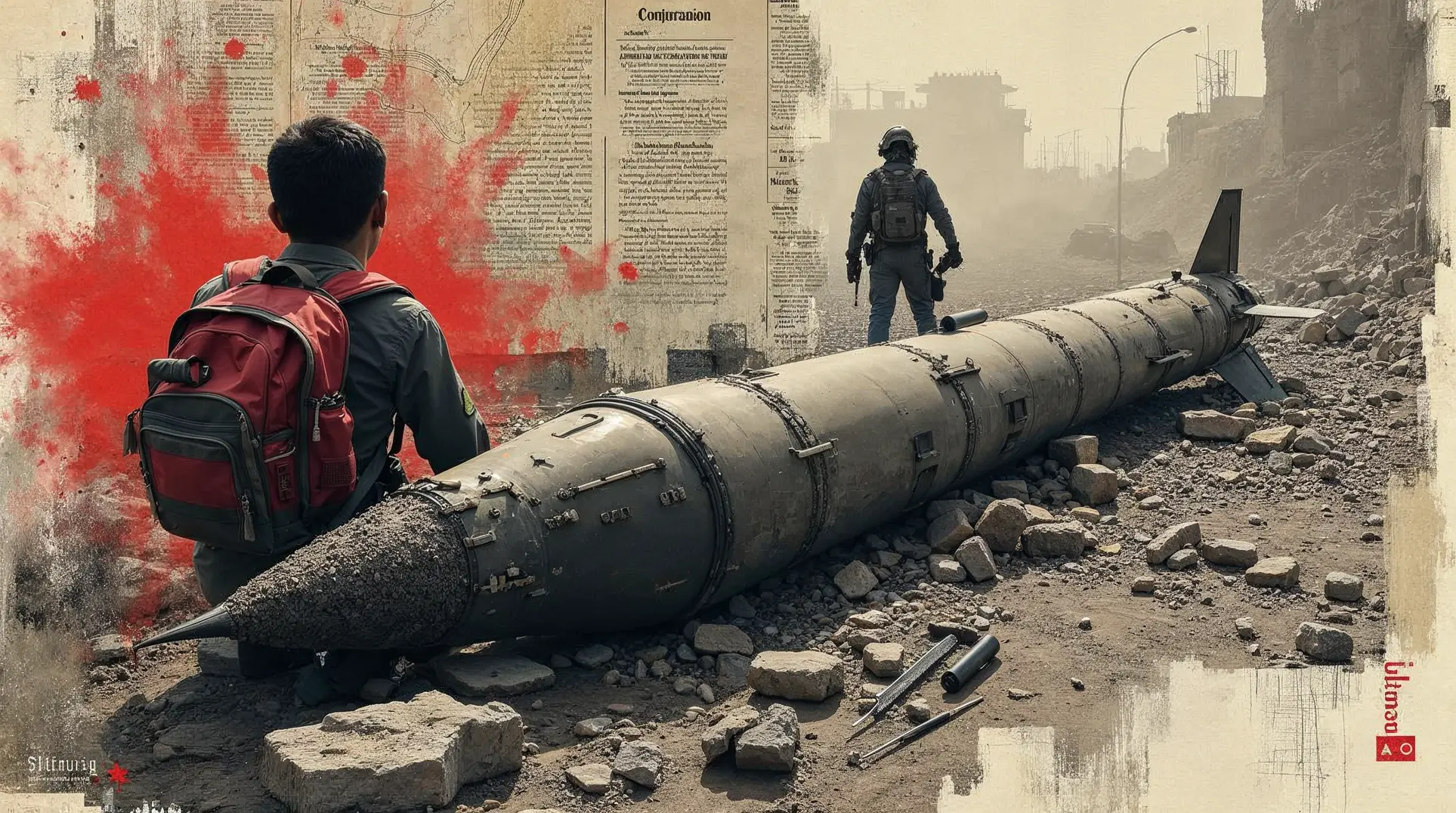
Members are reading: How the targeting failure reveals systemic vulnerabilities in advanced military systems when intelligence becomes outdated or verification protocols fail under operational pressure.
International response and next steps
The emergency debate represents the second UNHRC urgent session on the Iran conflict this month, following a March 25 debate concerning Iranian retaliatory strikes on Gulf civilian infrastructure and energy facilities. This dual-track approach—examining violations by both sides—reflects the Council's attempt to maintain impartiality amid intense geopolitical pressure and competing narratives about who bears primary responsibility for civilian harm.
The debate's focus on educational institutions responds to a documented pattern across the conflict. Schools, hospitals, and residential areas have sustained damage throughout the military campaign, though the Minab strike's concentrated toll on children distinguishes it as exceptionally deadly. International humanitarian law requires attackers to take all feasible precautions to verify that targets are military objectives and to choose means of attack that minimize incidental civilian harm. The strike's circumstances suggest potential failures at multiple points in this verification chain, from intelligence collection to final targeting approval.
Subscribe to our free newsletter to unlock direct links to all sources used in this article.
We believe you deserve to verify everything we write. That's why we meticulously document every source.


