


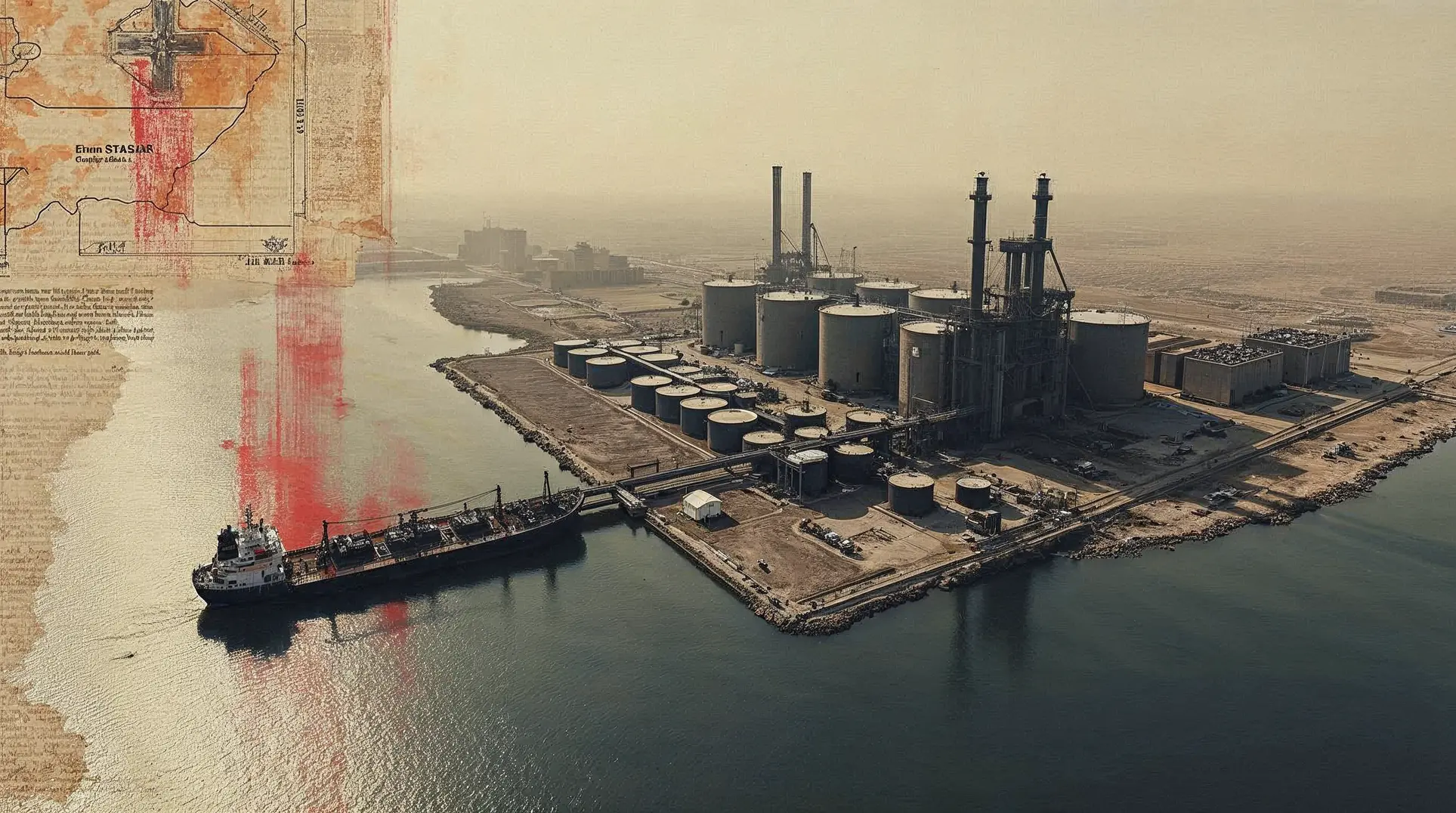
President Donald Trump announced that the United States is engaged in talks with what he described as a "more reasonable regime" in Iran aimed at ending the month-long conflict. Trump simultaneously reiterated threats to target Iranian oil infrastructure, including Kharg Island, if the Strait of Hormuz remains closed to commercial shipping. The statement extends a pattern of parallel diplomatic and coercive messaging that has characterized the conflict since Supreme Leader Ayatollah Ali Hosseini Khamenei's assassination on February 28 triggered the current crisis.
The announcement comes after Trump paused planned energy strikes for five days following what he termed "productive conversations," then extended that pause for ten additional days. Yet Iranian officials have consistently denied formal negotiations are taking place, with Parliament Speaker Mohammad Bagher Ghalibaf calling reports of talks "fake news." This fundamental discrepancy between Washington's claims of diplomatic progress and Tehran's public denials creates dangerous ambiguity about whether genuine de-escalation channels exist or whether both sides are engaged in coercive theater designed to shape domestic and international perceptions while preparing for further military action.
The regime change claim versus reality
Trump characterized Iran's limited allowance of some oil shipments through the Strait as a "sign of respect" and evidence of progress, while claiming "regime change" has already occurred through the deaths of former leaders. This framing misrepresents the current power structure in Tehran. The Islamic Revolutionary Guard Corps and senior clerical establishment remain in control, with Mojtaba Khamenei—whose stance on nuclear weapons remains unclear—having assumed the Supreme Leader role. The continuity of Iran's core decision-making apparatus suggests Trump's "more reasonable regime" language is rhetorical rather than reflecting structural change in Iranian governance.
The economic context reinforces Iran's calculus. Crude oil prices have surged more than 40 percent since the conflict began, with Brent crude rising to approximately $112 per barrel from around $70, driven by the effective closure of the Strait of Hormuz since March 4. This leverage—control over a chokepoint carrying approximately 20 percent of global oil supplies—may explain Tehran's confidence in maintaining restrictions while denying negotiations, despite vulnerability to US strikes on energy infrastructure.
Members are reading: How Trump's contradictory signals create strategic space for Iran while undermining US coercive credibility with regional allies.
Regional dynamics and broader conflict
The conflict's expansion complicates any bilateral US-Iran resolution. Israeli airstrikes continue against Iranian targets, with Prime Minister Benjamin Netanyahu stating Israel "acted alone" in striking Iran's South Pars gas field while noting Trump requested no further energy attacks. This coordination gap between Washington and Tel Aviv creates additional uncertainty about escalation control. Yemen's Houthi rebels have entered the conflict with missile and drone attacks on Israel, while Lebanon faces Israeli expansion of its southern security zone, raising fears of prolonged occupation.
The coming weeks will test whether diplomatic channels Trump references actually exist or whether the pause period merely delays the next escalation cycle. Iran's public denials of negotiations suggest Tehran is calculating that maintaining Strait leverage outweighs the vulnerability of its energy infrastructure to American strikes. Trump's repeated extensions of strike deadlines—from 48 hours to five days to ten more days—indicate recognition that forcing Iran into a corner eliminates any de-escalation pathway, but each extension diminishes the credibility of future ultimatums.
The fundamental contradiction remains unresolved: Trump claims to be negotiating with a more reasonable Iranian regime while threatening the very infrastructure strikes that would eliminate incentive for that regime to compromise. Whether this represents strategic patience or strategic confusion will become evident when current pause periods expire and both sides must decide whether the cost of backing down exceeds the cost of further escalation.
Subscribe to our free newsletter to unlock direct links to all sources used in this article.
We believe you deserve to verify everything we write. That's why we meticulously document every source.


