


M23 fighters entered Uvira on December 9–10, taking control of South Kivu's last functioning government hub and placing the rebel movement directly on Burundi's doorstep. M23 units entered the northern part of Uvira in the Kanvinvira neighborhood as early as December 9 and took control of the governor's building in Kiromoni on the RN30 near the Burundian border on December 10. BBC Verify footage shows senior M23 figures inside Uvira's mayor's office; residents report fighters moving freely through the city center while the group conducted clearing operations and shelled remaining Wazalendo positions. The fall of this strategic lakeside city, wedged between Lake Tanganyika and highland approaches along the RN5 corridor, crystallizes a collision between battlefield momentum and diplomatic theater: just days after Kinshasa and Kigali signed a U.S.-brokered accord in Washington, the armed group excluded from that agreement has remade the map.
The advance has displaced more than 200,000 people since early December, with more than 30,000 fleeing across the border into Burundi, where conditions in makeshift sites remain precarious. Rwanda's President Paul Kagame has responded by accusing Burundi of escalating the conflict, alleging that roughly 20,000 Burundian troops have been deployed across North and South Kivu provinces. Kigali further claims that Burundian forces participated in cross-border bombardments and laid siege to Banyamulenge communities around Minembwe. Burundi disputes the narrative and counters that Rwanda and M23 have launched cross-border attacks. The numbers remain unverified, but the accusations underscore a dangerous regionalization: two neighbors now face each other across a sealed, militarized frontier, each backing opposing sides in a war governed by two incompatible peace processes.
 Amara Okonkwo
The Kigali-Bujumbura flashpoint
Kagame's allegations of mass Burundian deployment are consequential not because they can be independently confirmed—verification is nearly impossible in active combat zones—but because they signal how far the regional stakes have escalated. Burundian forces (FDNB) were indeed operating in South Kivu to support the Congolese army (FARDC) against M23. As Uvira's front collapsed, thousands of FDNB and FARDC soldiers fled Uvira on December 9, while other elements reportedly entrenched in the Hauts Plateaux west of the city. Burundi closed border posts at Gatumba and Vugizo and declared them military zones, a move that complicates civilian flight and humanitarian logistics even as tens of thousands seek refuge.
Rwanda's foreign ministry has amplified Kagame's claims, pointing to FDNB participation in bombardments near the Rwandan border. Bujumbura, in turn, accuses Kigali of orchestrating M23's offensive in breach of the December 4 Washington commitments. The blame loop is familiar, but the proximity is new: M23 now holds Uvira, a city that until February served as the relocated seat of South Kivu's administration after Bukavu fell. Geography matters here. Uvira sits at the southern terminus of the RN5, the lakeshore artery that M23 has rolled down since early December. Holding Uvira gives the rebels control of the main ground route into South Kivu and positions them within kilometers of Burundian territory, transforming a proxy contest into a potential direct confrontation between two states with a troubled history.
The International Contact Group for the Great Lakes—comprising the United States, European Union, and European states—urged M23 and the Rwandan Defence Forces to halt offensive operations in South Kivu. Their joint statement highlighted rising use of attack and suicide drones, a technology escalation consistent with past UN expert findings of Rwandan support, which Kigali denies. Reports from the field cite GPS-guided munitions and electronic jammers beyond M23's known indigenous capacity. The drone dimension is not incidental: it signals external provisioning and raises the operational tempo to a level that overwhelms improvised Congolese and Burundian defensive lines.
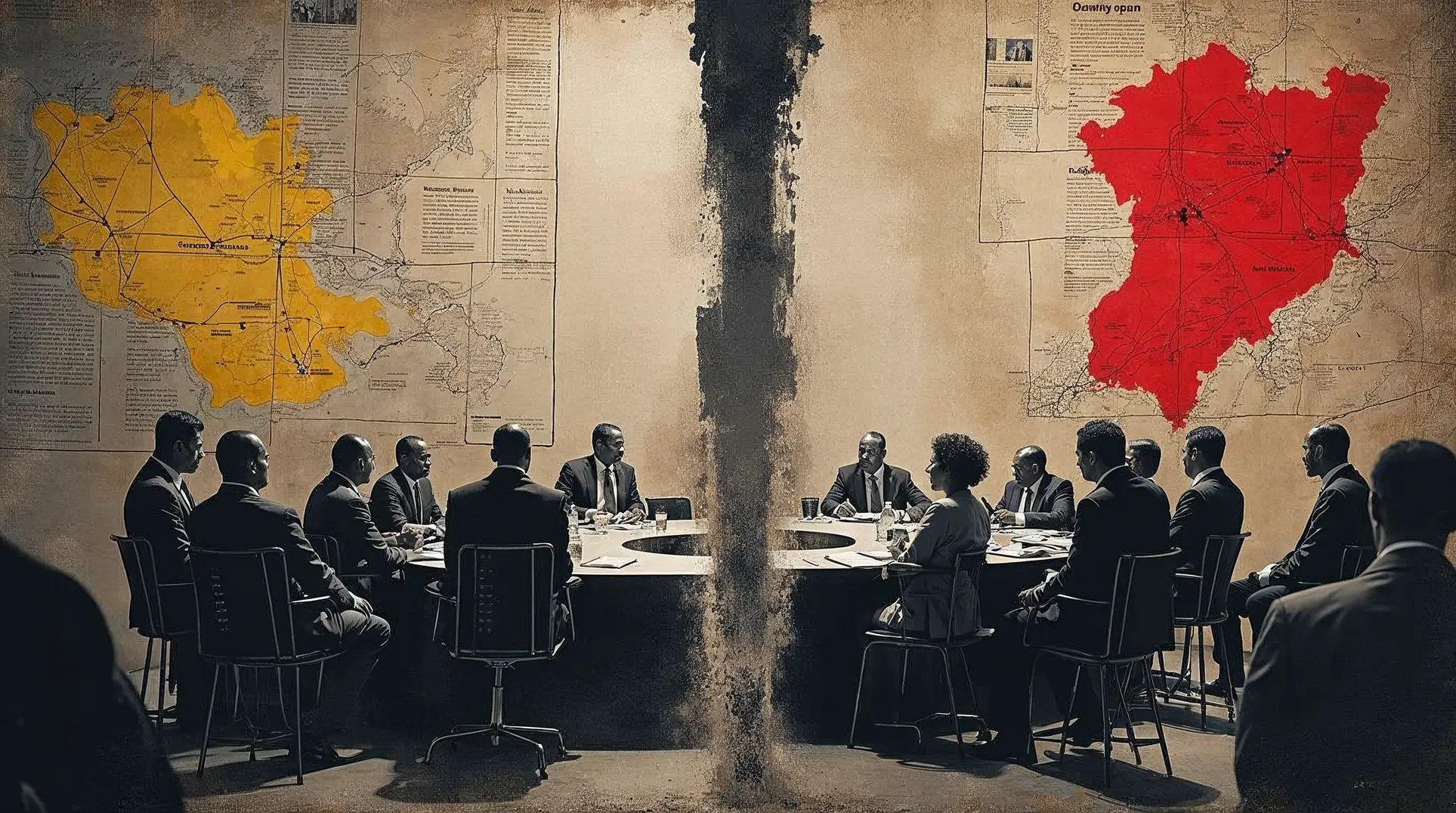
Members are reading: How the misalignment between Washington's state-to-state deal and Doha's insurgent-inclusive framework guarantees battlefield arbitration.
What comes next: consolidation, escalation, or fragmentation
Uvira's fall does not end the campaign; it opens new questions. Will M23 consolidate control and extend civil administration, or pivot south toward Fizi and the approaches to Kalemie, further isoling Burundian supply lines? Can humanitarian corridors be negotiated, or will the militarization of border zones and the drone-enabled tempo continue to block access? Most critically, will the Rwanda-Burundi confrontation remain indirect, or does the proximity and mutual accusation now risk direct clashes that pull in additional regional actors?
 Amara Okonkwo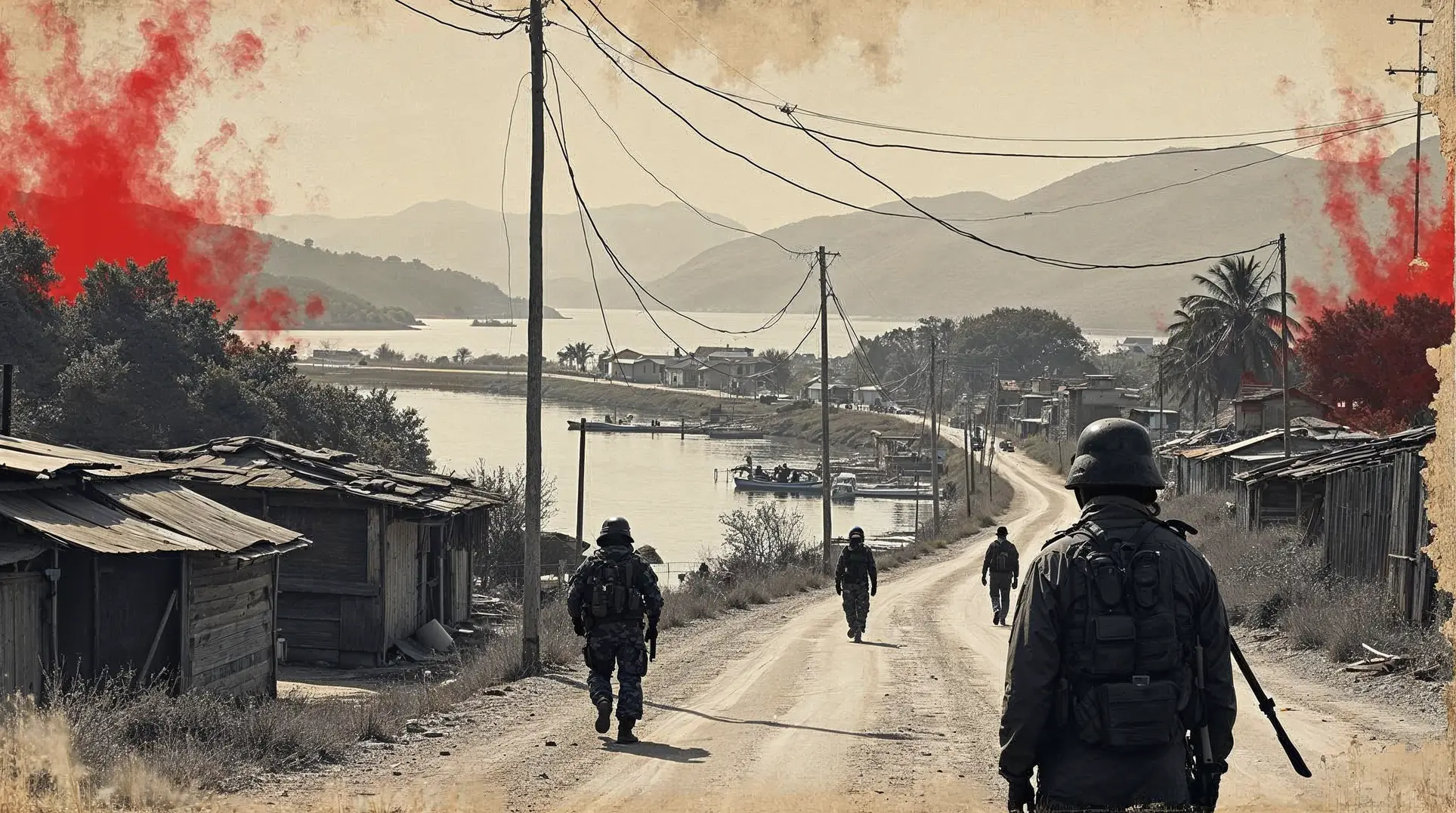
The humanitarian toll is already stark: over 200,000 displaced in days, strikes impacting communities along the RN5 from Kaziba to Sange, and precarious conditions for those who reached Burundi or Rwanda's Nyarushishi Transit Centre. The speed of displacement reflects both the ferocity of the offensive and the collapse of any protective buffer. Civilians have no neutral ground when border posts become military zones and lakeside cities turn into frontlines.
For now, the dual-track diplomacy that was supposed to manage this crisis has instead been outpaced by it. Washington's bilateral framework cannot constrain an actor it does not recognize; Doha's inclusive process cannot function without deployment and political will. Until these tracks converge—or one decisively supersedes the other—the war will continue to be decided not in conference rooms, but on the RN5 and the highlands above Uvira, with African lives bearing the cost of diplomatic incoherence.
Subscribe to our free newsletter to unlock direct links to all sources used in this article.
We believe you deserve to verify everything we write. That's why we meticulously document every source.


