


Yemen's Houthi movement launched a ballistic missile toward southern Israel on the morning of March 28, 2026, marking the group's first direct strike on Israeli territory since the current regional conflict began one month ago. Israeli air defense systems successfully intercepted the projectile, with no injuries reported, according to Israeli Defense Forces statements.
The attack represents a significant expansion of the conflict beyond the core Iranian-Israeli confrontation and U.S.-Israeli strikes that began February 28. The Houthis claimed responsibility for targeting "sensitive Israeli military sites" and vowed to continue operations "until the aggression against all fronts of the resistance ceases," explicitly linking their actions to Iran's broader "axis of resistance" against Washington and Tel Aviv.
Houthis activate Yemen front
The Houthi military spokesperson stated the missile launch demonstrates solidarity with Iranian forces and coordination across resistance factions. The group had previously maintained a ceasefire with Hamas since October 2025 and focused maritime operations on Red Sea shipping rather than direct strikes on Israel. This tactical shift signals the Houthis' willingness to escalate from maritime harassment to direct military engagement with Israeli territory.
The timing aligns with intensifying Iranian missile barrages that have fired over 470 projectiles at Israeli and regional targets in recent weeks, including cluster munitions. Israeli strikes continue to target Tehran's military infrastructure, while Hezbollah operations in Lebanon have opened a second active front, producing over 1,000 casualties in that theater alone.
Israeli officials have not announced immediate retaliation plans as of 08:34 UTC on March 28. The successful interception underscores Israel's multilayered air defense capabilities, though the geographic expansion of threats complicates resource allocation across multiple fronts. Military analysts note that sustained Houthi missile campaigns from Yemen would strain Israeli defense systems already managing Iranian and Hezbollah projectiles.
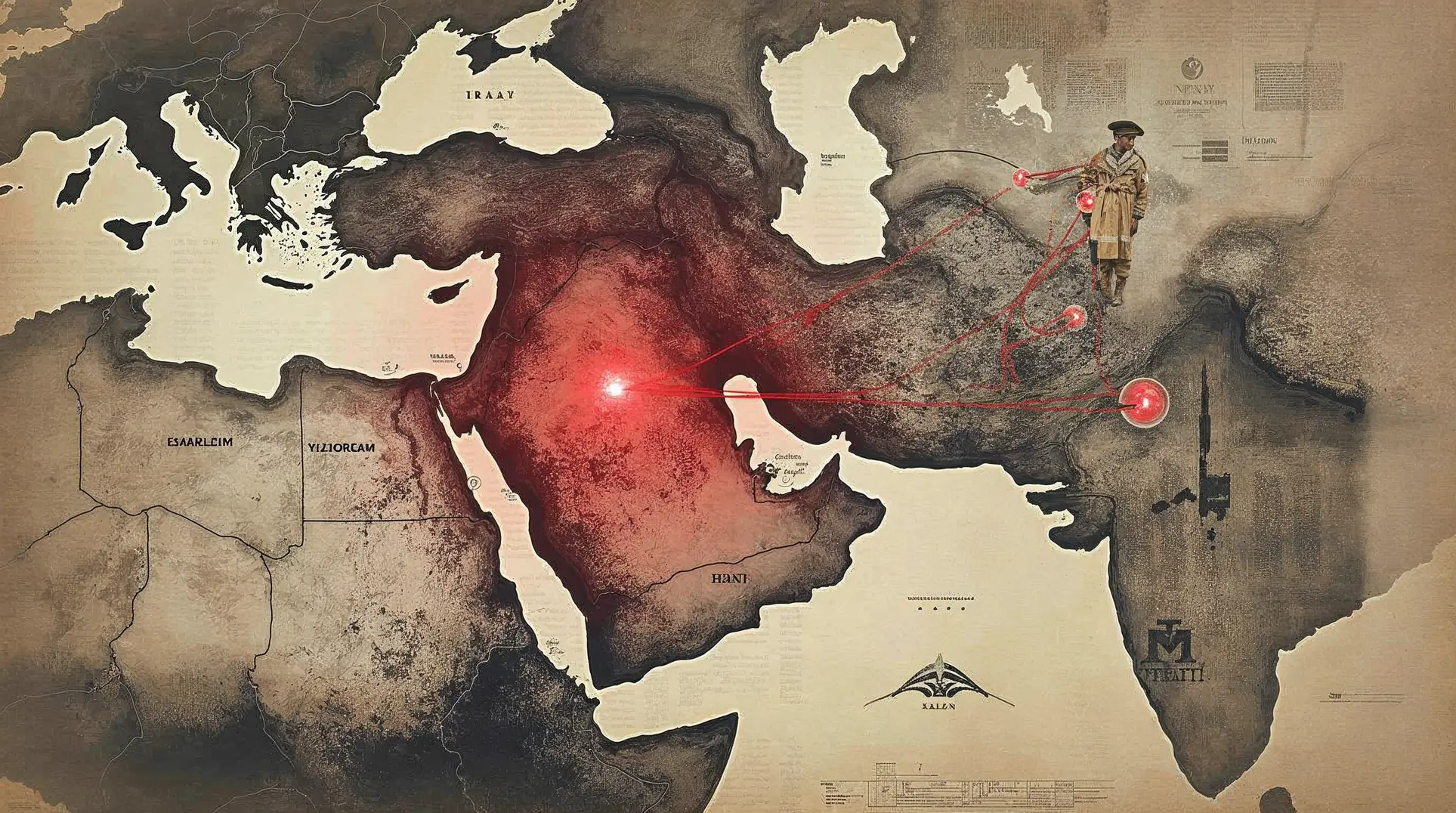
Members are reading: How Houthi entry reshapes Iran's multi-front strategy and Israel's resource allocation dilemma.
Multi-front war widens
The conflict that began with joint U.S.-Israeli strikes on Iranian nuclear facilities has now produced direct military engagement across four theaters: Iran itself, Lebanon via Hezbollah, Iraq through Shia militias targeting American bases, and now Yemen through Houthi ballistic missile strikes. The cumulative death toll exceeds 2,000 across these fronts, with more than 1,500 fatalities in Iran, over 1,000 in Lebanon, and 15 in Israel.
Iran's ability to activate and coordinate proxy forces across such geographic breadth demonstrates the strategic depth of its regional influence architecture, built methodically over two decades. For Israel, the challenge is not merely defensive interception—where its Iron Dome, David's Sling, and Arrow systems have performed effectively—but the fundamental strategic question of how to neutralize distributed threats while maintaining offensive operations against Iranian core targets. The Houthi strike, though militarily contained, underscores the complexity of this strategic environment and the difficulty of achieving decisive resolution when adversaries can activate multiple pressure points across vast distances.
Subscribe to our free newsletter to unlock direct links to all sources used in this article.
We believe you deserve to verify everything we write. That's why we meticulously document every source.


