


Armed attackers killed 11 people and wounded 12 others, including a woman and a child, after opening fire on a crowd gathered at a soccer field in Salamanca, Guanajuato, on Sunday evening. The assailants arrived in pickup trucks and motorcycles in the Loma de Flores neighborhood following an amateur match and fired indiscriminately on spectators at a community event.
Salamanca Mayor Cesar Prieto confirmed the massacre on Facebook, describing it as a "regrettable and cowardly" attack symptomatic of "severe social breakdown." More significantly, Prieto issued a direct appeal to President Claudia Sheinbaum for federal assistance, effectively acknowledging that municipal and state-level security forces have been overwhelmed. His statement that "criminal groups are trying to subjugate the authorities" frames the violence not as isolated criminality, but as a systematic challenge to governance itself. The state prosecutor's office has opened an investigation with coordination from municipal, state, and federal forces including the National Guard and Army.
Attack transforms public space into battlefield
The targeting of a community gathering marks a deliberate escalation beyond traditional cartel violence. This was not a precision strike against rivals or a targeted assassination—it was indiscriminate fire into a civilian crowd at a recreational event. The tactical choice reveals a strategic shift: organized crime groups are now weaponizing fear by attacking the social fabric itself.
In Guanajuato, Mexico's most violent state, such attacks serve multiple functions for criminal organizations. They demonstrate territorial control, punish perceived collaboration with rivals or authorities, and create an atmosphere of total insecurity that paralyzes community resistance. The presence of women and children among the casualties underscores that no space—not even weekend soccer matches—remains outside the conflict zone.
This pattern connects directly to the broader transformation of cartel strategy documented across Mexico, from urban drone warfare adopted by 469 armed groups to the internal fragmentation driving homicide surges in key cartel strongholds.
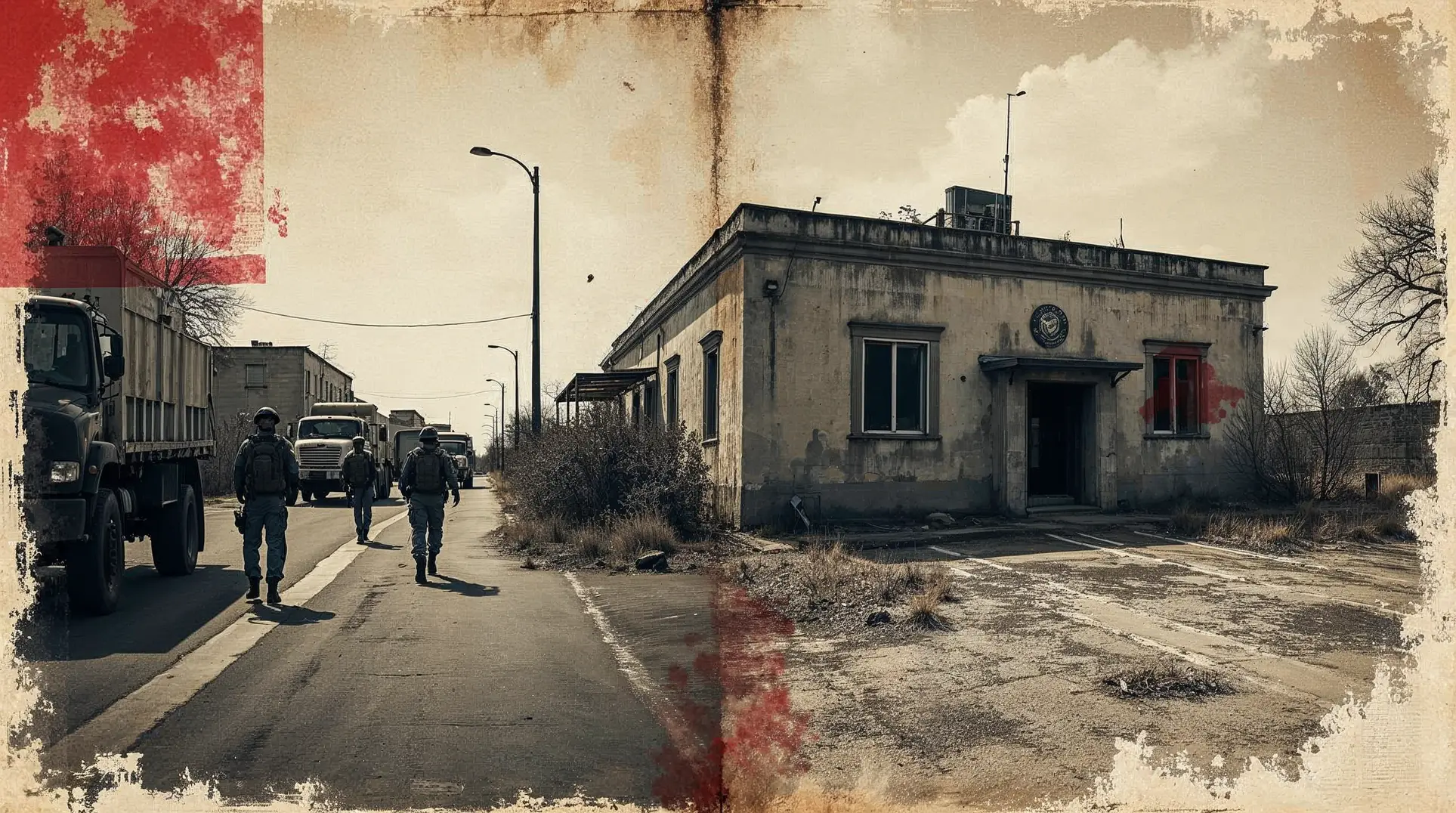
Members are reading: Why federal troops will suppress but not solve Salamanca's security crisis
Conclusion
The Salamanca massacre exposes the limits of Mexico's current security architecture. When a mayor must publicly appeal to the President after 11 civilians are gunned down at a soccer match, it signals that the state's capacity to protect basic public space has disintegrated at the local level. The investigation coordinating municipal, state, and federal forces may identify perpetrators, but it will not address the underlying reality: in Guanajuato, organized crime groups now operate with sufficient impunity to attack community gatherings in broad daylight. The violence is no longer about controlling illicit markets—it's about controlling territory through the systematic elimination of civilian normalcy.
Subscribe to our free newsletter to unlock direct links to all sources used in this article.
We believe you deserve to verify everything we write. That's why we meticulously document every source.


