


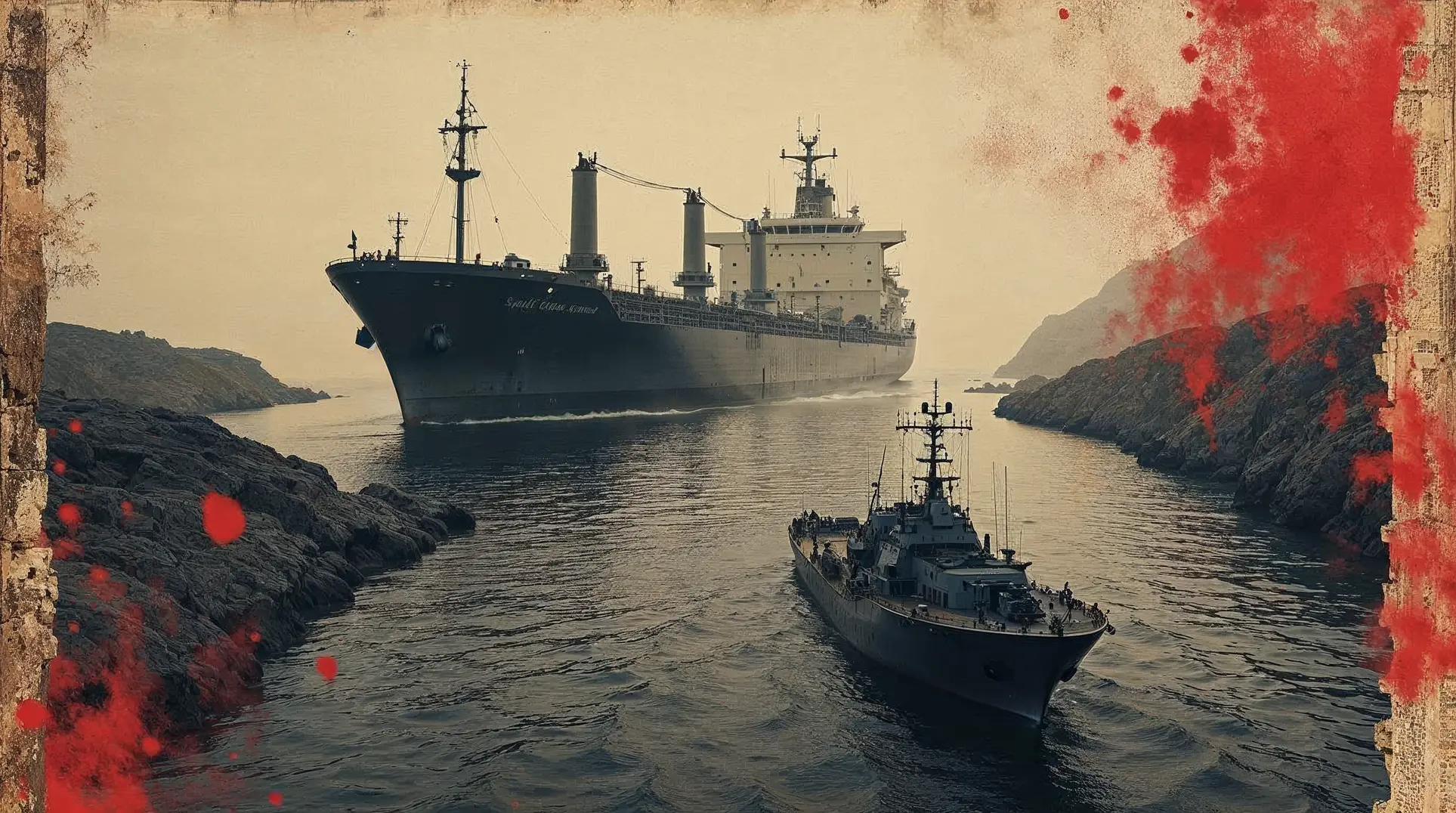
China and Russia vetoed a Bahraini-sponsored UN Security Council resolution aimed at coordinating international defensive efforts to protect commercial shipping in the Strait of Hormuz. The vote was 11 in favor, two against, with Colombia and Pakistan abstaining. The veto blocks a UN-mandated coordination mechanism for securing the waterway that carries approximately one-fifth of global oil supply.
The resolution had been significantly diluted from its initial draft, which invoked Chapter VII of the UN Charter and authorized "all necessary means" to protect shipping. Following opposition from China, Russia, and France, the final text merely encouraged states to coordinate defensive efforts without any enforcement mandate. Even this watered-down version proved too controversial for the Security Council's permanent members to approve.
Veto rationale and global implications
Russia and China cited escalation risks and concerns about potential misuse of UN mandates as justification for their vetoes. Both nations have consistently blamed the United States and Israel for initiating the conflict that began February 28, 2026, with strikes on Iran's nuclear program. Moscow and Beijing emphasized de-escalation rather than military coordination as the appropriate response.
The Strait of Hormuz has been effectively closed since early March following Iranian maritime operations responding to US military strikes on Iran's Kharg Island and other targets. Iran rejected ceasefire proposals hours before President Trump's April 6 ultimatum deadline expired, demanding permanent war termination rather than temporary arrangements.
The resolution's failure occurs as Trump's ultimatum deadlines have repeatedly expired without Iranian compliance or sustained US military escalation. Oil prices have increased over 40 percent since the conflict began, with energy markets facing prolonged uncertainty as diplomatic efforts stall.
Members are reading: Why the veto signals permanent Security Council paralysis on Gulf maritime security
Next steps uncertain
With the UN Security Council deadlocked, responsibility for Strait security falls to individual nations or ad-hoc coalitions. US efforts to assemble an international naval coalition have largely failed, with key allies refusing participation in operations they view as extensions of American military action against Iran. The resolution's rejection leaves no multilateral framework for addressing disruptions to a waterway critical to global energy supply.
Subscribe to our free newsletter to unlock direct links to all sources used in this article.
We believe you deserve to verify everything we write. That's why we meticulously document every source.


