


Wednesday's blackout across western Cuba—cutting power to Havana and millions more at dawn—ended by afternoon, but the deeper crisis persists. A transmission line failure between two major plants, the main line connecting Havana with the country's largest power plant in Matanzas, disconnected the national electric system on December 3, leaving millions without electricity for nearly twelve hours. By midday, state utility UNE reported the grid reconnected island-wide, yet only 40 percent of Havana had power; authorities warned restoration would be gradual because generation deficits continue.
This was not an isolated accident. It was the predictable outcome of a system with too little fuel, too little redundancy, and too little money. Cuba has endured at least five nationwide or near-nationwide blackouts since late 2023, and rolling daily cuts—often exceeding ten to twenty hours across multiple provinces—have become routine. Earlier the same week, peak-demand shortfalls forced rolling blackouts across the island. The December outage underscores a hard reality: even when officials technically restore the grid, chronic capacity gaps force continued blackouts.
A grid running on fumes and failing machinery
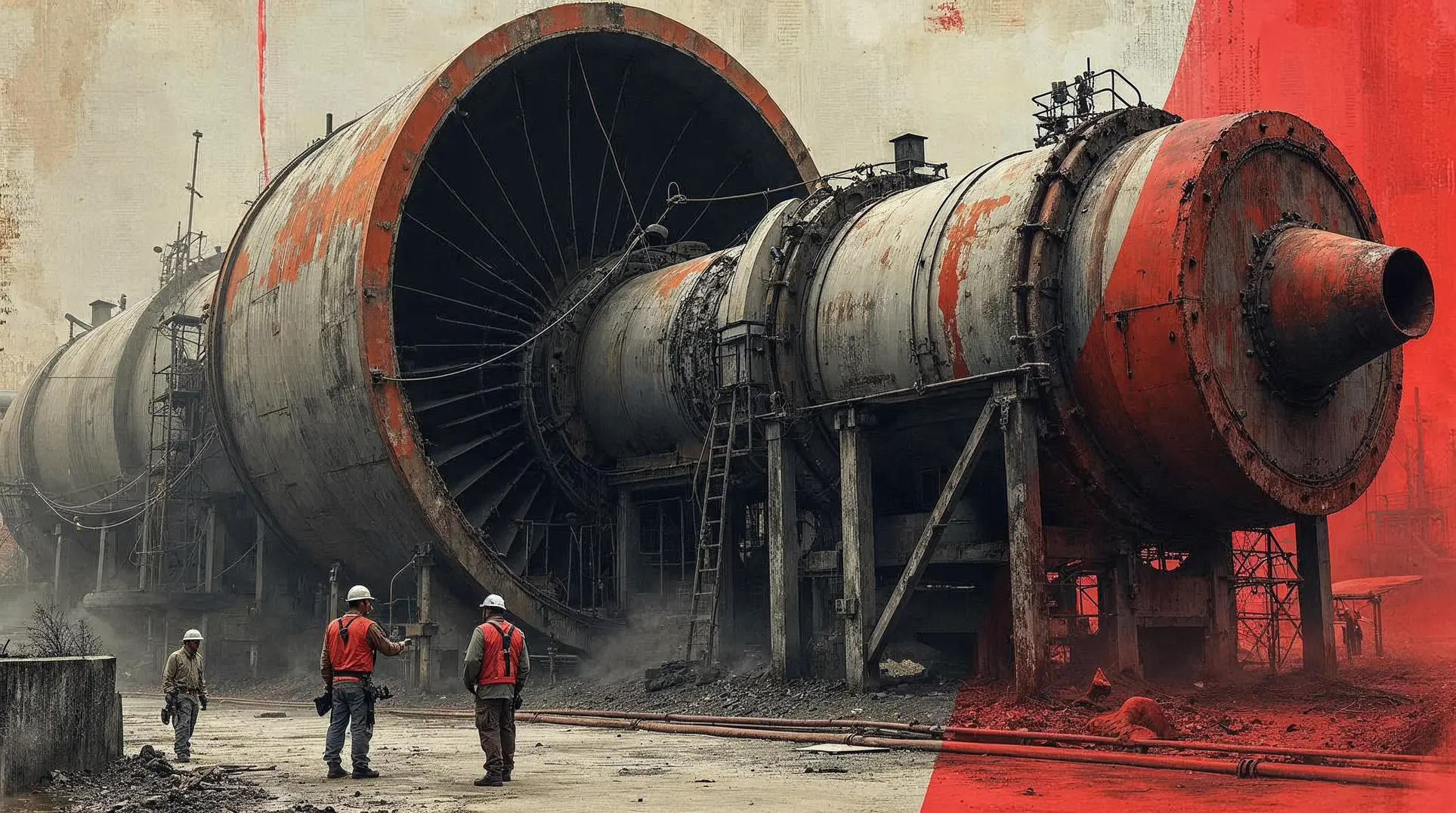
Cuba's electricity crisis is structural, not accidental. Eight main oil-fired thermal plants, most dating to the 1980s and 1990s, form the backbone of the national grid. Officials and independent analysts alike describe the fleet as decrepit, with chronic breakdowns. During peak evening hours, generation shortfalls frequently reach 1,300 to 1,700 megawatts—forcing authorities to deliberately shed load across entire regions to avoid total collapse.
Fuel scarcity compounds mechanical fragility. Inconsistent imports and limited hard currency constrain plant operations. Domestic crude is heavy and sulfurous, accelerating wear on aging turbines. Deliveries from partners—Venezuela, Russia, Mexico—have wavered, leaving operators short of the oil needed to meet demand. The result is a vicious cycle: plants break down more often, requiring parts and financing that are scarce, so maintenance is deferred and breakdowns multiply.
A late-October hurricane damaged infrastructure in eastern Cuba, adding another layer of vulnerability to an already brittle system. When a single transmission line fails—as it did Wednesday—there is no cushion. The entire western half of the island goes dark because generation is too thin and dispersed resilience is nearly absent.
Competing narratives, interacting constraints
Officials consistently emphasize U.S. sanctions and financial restrictions, arguing that the embargo blocks access to parts, technology, and credit needed to modernize the grid. Independent economists and many Cubans point instead to decades of underinvestment, mismanagement, and the risks of an oil-heavy system without redundancy. Both factors interact. External constraints limit financing options; domestic policy choices determine how scarce resources are allocated. What is clear is that the gap between electricity demand and reliable supply has widened, and neither narrative alone explains why Havana—historically buffered—now routinely loses power for ten hours or more.
Members are reading: Why solar parks and floating generators cannot prevent the next collapse, and what stabilization actually requires.
Human costs mount as outages become routine
For Havana residents, Wednesday's blackout meant traffic lights dead, police directing intersections by hand, schools sending students home, and uncertainty. An 82-year-old retiree told reporters, "There's no connection. No one knows why the power is out… They're not saying anything." A café owner described plants "breaking down a lot" and added that food is hard to come by. Small businesses with generators sold perishable items while they could; internet service flickered, leaving families guessing when power might return.
The human toll extends beyond inconvenience. Water service fails without electricity to run pumps. Refrigeration failures threaten medicines and food stocks. Residents in provinces beyond Havana report cuts approaching twenty hours, forcing families to cook with bottled gas or wood. Long, unscheduled outages compound a broader economic crisis: paltry salaries, food scarcity, and accelerating emigration. Repeated, prolonged cuts have triggered protests in 2024, including in Santiago de Cuba and Havana neighborhoods during earlier nationwide outages, as detailed in analyses of social strain across the region. Authorities have at times curtailed internet access and deployed security forces to deter demonstrations.
No quick exit from the spiral
Stabilizing Cuba's grid requires what the system currently lacks: sustained financing for turbine overhauls and transmission upgrades, battery storage to smooth solar output across the evening peak, and fuel contracts reliable enough to keep plants running. None of these is imminent. As long as generation capacity lags demand by more than a thousand megawatts at peak, transmission faults will cascade into island-wide crises, and reconnection will mean only partial restoration.
Wednesday's blackout was the latest iteration of a monthly pattern. Until the underlying constraints—mechanical, financial, and structural—are addressed, Cubans can expect the lights to go out again, and again, with little warning and long waits in the dark.
Subscribe to our free newsletter to unlock direct links to all sources used in this article.
We believe you deserve to verify everything we write. That's why we meticulously document every source.


